
A declaration of intent wedding is the formal moment in a wedding ceremony where both partners clearly state their willingness to marry each other. It is the point at which consent is legally and emotionally confirmed before vows are exchanged, rings are placed, and the marriage is pronounced. Often expressed as a simple “I do,” this moment sets the foundation for everything that follows in the ceremony, making it one of the most important parts of a modern vow ceremony.
What Is a Declaration of Intent?
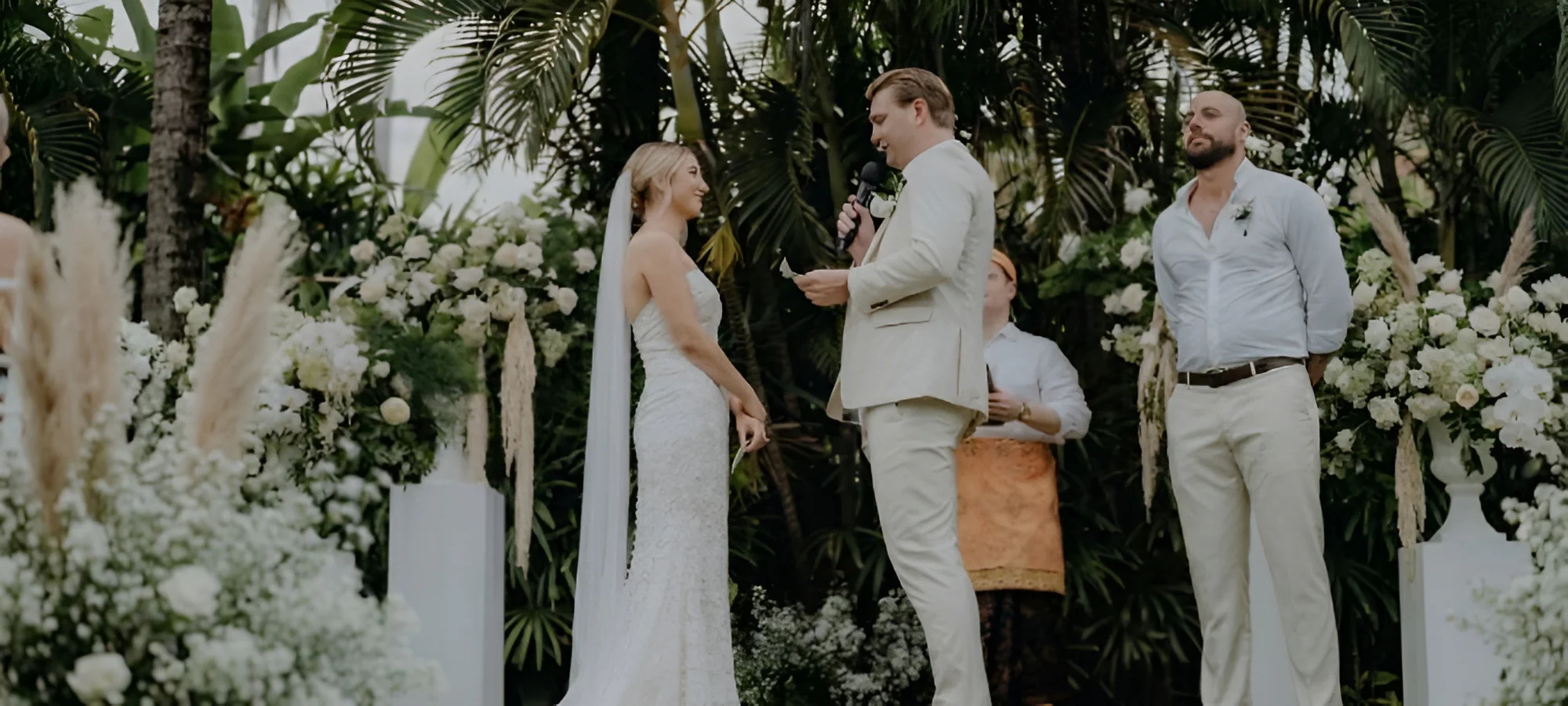
A declaration of intent wedding moment is one of the most important parts of a marriage ceremony. It is the formal question-and-answer section where the celebrant asks each partner whether they freely choose to marry the other. The response is often the familiar “I do,” although some ceremonies use alternatives such as “I will” or customised wording.
Many couples spend months choosing flowers, styling, and music. Even small details like wedding place cards can elevate the guest experience and help create a beautifully coordinated celebration. But here’s the thing: this single spoken moment carries enormous emotional and ceremonial weight. Before vows are exchanged, rings are placed on fingers, or the couple is announced as newly married, both partners clearly express their intention to enter the marriage.
So, what a declaration of intent really means is simple: it is the moment where both people openly confirm their choice to marry. In many countries, legally recognised marriage ceremonies require specific spoken elements that confirm each partner’s consent. These requirements vary depending on local laws and jurisdiction.
For couples marrying abroad, the ceremony is often a symbolic celebration rather than the legally binding event. In many destinations, the legal registration takes place separately, either before travelling or after returning home, while the overseas ceremony focuses on the heartfelt exchange of intent and vows in front of loved ones. Couples planning a wedding abroad should always check the legal requirements for both their home country and chosen destination.
Why This Moment Matters So Much
- Every wedding has emotional highlights.
- The walk down the aisle.
- The first look.
- The rings.
- The first kiss.
But the declaration often becomes the emotional turning point of the entire ceremony. Because it transforms the event from a celebration into a commitment. At this moment, two individuals stand before loved ones and openly confirm their choice to share a future together. Many celebrants describe it as the point where anticipation becomes reality. For couples planning a destination wedding, understanding the legal and symbolic importance of this section helps create a more meaningful ceremony experience.
Declaration of Intent vs Wedding Vows
Many couples confuse these two parts of the ceremony.
However, there is a significant difference between a declaration of intent vs vows. The declaration confirms your willingness to marry. The vows communicate the promises you intend to keep throughout your marriage.
The declaration answers:
“Do you choose this person as your spouse?”
The vows answer:
“How will you honour and support this person throughout your life together?”
Wedding experts frequently describe the declaration as consent and the vows as commitment. This distinction is important because both moments serve different purposes within the ceremony.
When the Declaration Happens During a Ceremony
The wedding ceremony declaration of intent usually appears after the celebrant’s introduction and before the vows.
A common ceremony flow looks like this:
- Welcome and opening remarks
- Reading or personal story
- Declaration of intent
- Vows
- Ring exchange
- Signing documents
- Pronouncement
This order creates a natural progression. First comes consent. Then come promises. Finally comes marriage recognition. This is why the wedding declaration of intent is often viewed as the foundation upon which the rest of the ceremony is built.
Couples planning a destination wedding often find it helpful to follow a destination wedding guide to understand how each stage flows, from the declaration of intent through to the vows and the final pronouncement.
The Emotional Power Behind Those Two Little Words
Generations of couples have spoken these words at the beginning of their married lives. Some couples also choose wording such as I vow during later parts of the ceremony to emphasise personal promises and long-term commitment. Whether traditional or modern, these words continue to resonate because they capture something deeply human: the desire to choose one another every day.
Common Declaration of Intent Wording
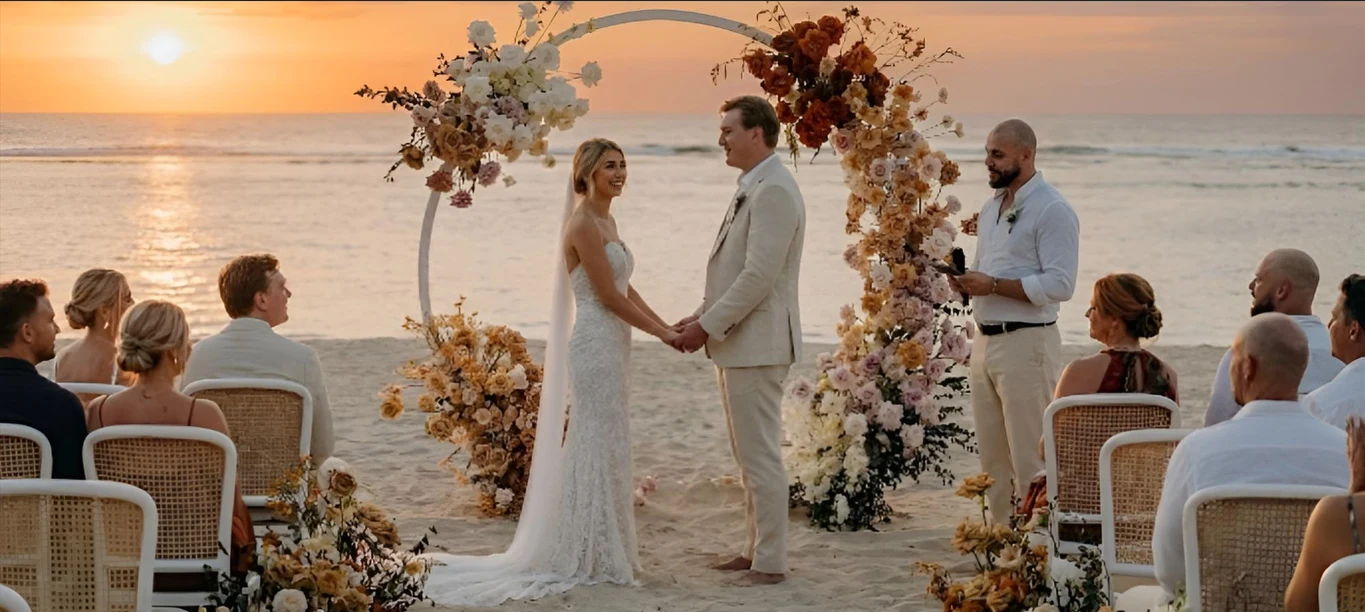
The wording can vary based on the style of the ceremony.
Traditional example:
“Do you take this person to be your lawful spouse, to love and support them for the rest of your life?”
Response:
“I do.”
Modern example:
“Do you choose this person as your partner in life, committing to love and support them through life’s adventures?”
Response:
“I will.”
Many celebrants provide a declaration of intent wedding script that can be customised while still maintaining legal validity.
Declaration of Intent Wedding Examples
Couples often ask for inspiration before finalising their ceremony.
Here are a few declaration of intent wedding examples that demonstrate different styles.
Traditional:
“Do you take this person to be your spouse and promise to share your life together in love and respect?”
Romantic:
“Do you choose this person as your forever partner, embracing all that life brings with love and commitment?”
Contemporary:
“Do you promise to stand beside this person through every chapter of life and continue choosing them every day?” These examples work beautifully for both intimate ceremonies and large celebrations. Many couples searching for sample declaration of intent wedding wording use these structures as a starting point before adding personal touches. Likewise, declaration of intent wedding samples can help couples find language that reflects their unique relationship.
Creating a Personal Yet Meaningful Declaration
Personalisation is becoming increasingly popular. However, balance matters. A declaration should still feel clear and intentional. The best approach is to keep the structure simple while incorporating details meaningful to your relationship. This creates an authentic expression of intent wedding moment without losing the purpose of the declaration itself.
Remember:
Clarity always matters more than complexity.
Understanding the Wedding Pledge
Some couples refer to this section as a wedding pledge.
Others call it a commitment statement. Regardless of terminology, the purpose remains the same. The pledge represents a conscious decision to enter marriage willingly. This moment sets the tone for everything that follows. It reminds guests that marriage is not simply a celebration. It is also a commitment made with intention.
Declaration of Intention Wedding Explained
You may hear celebrants use the phrase “declarationofintentionwedding” rather than “declaration of intent”. The terms are generally used interchangeably. Both describe the formal statement confirming that each partner chooses to marry the other.
Similarly, what is declaration of intention is a question many couples ask during the planning process. The answer is straightforward: It is a verbal confirmation of your desire and willingness to enter marriage.
Who Says Their Vows First?
One of the most common questions couples ask is who says their vows first. Traditionally, one partner speaks first, and the other follows, often with the groom speaking first in many Western ceremonies. However, modern weddings are far more flexible, and there is no fixed rule.
Today, the order is usually decided by personal preference, cultural or religious traditions, or agreed in advance with the celebrant. Many couples choose whatever feels most comfortable or meaningful for them.
Who Says “I Do” First?
Another frequent question is who says I do first. The celebrant simply asks one partner and then the other. The order may follow tradition, alphabetical order, or personal preference. What matters most is that both responses are given clearly and confidently.
The Relationship Between the Declaration and the Vows
The exchange of vows wedding segment follows naturally after the declaration. Once both partners have confirmed their intention to marry, they move on to share personal promises. The exchange of vows allows couples to express what marriage means to them personally. Some choose traditional wording. Others write completely original promises. During this stage, couples may exchange marriage vows that reflect their values, hopes, and vision for married life. Many couples spend weeks crafting their vows for marriage ceremony because these words often become cherished memories long after the wedding day.
The Journey Towards the Pronouncement
After the declaration and vows come the final ceremonial moments. These include ring exchanges, signing documents, and the official announcement. The pronouncement of marriage is when the celebrant formally declares the couple married. This is often followed by a wedding pronouncement such as:
“You may now kiss.” Or: “It gives me great pleasure to present you as newlyweds.” Many people recognise phrases such as I declare you husband and wife, although modern ceremonies may use gender-neutral alternatives depending on the couple’s preference.
Modern Trends Changing Wedding Ceremonies
Today’s couples are redefining traditions.
Many ceremonies now include:
- Personal stories
- Family participation
- Custom vows
- Unique rituals
- Modern language
Even the traditional marriage declaration of intent is being adapted to reflect contemporary relationships. Yet despite these changes, the purpose remains unchanged. The declaration still marks the moment where two people intentionally choose one another.
Common Mistakes Couples Should Avoid
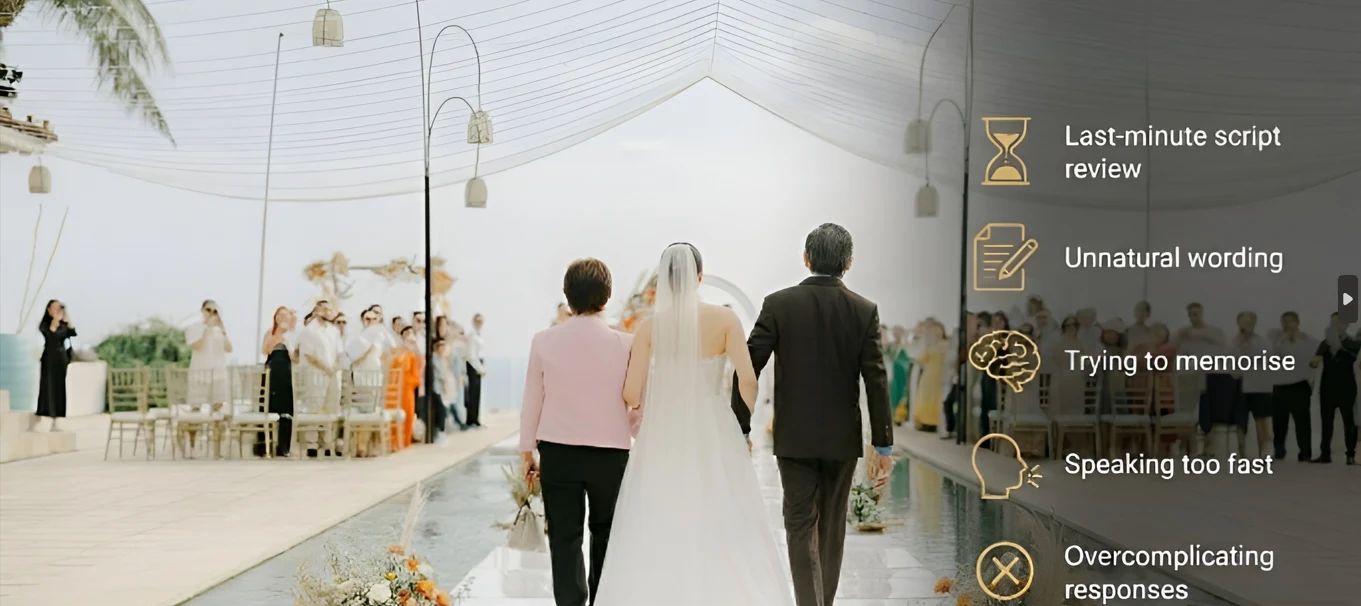
Couples sometimes focus heavily on décor and styling while overlooking ceremony wording.
Avoid these common mistakes:
- Waiting until the final week to review scripts.
- Choosing wording that feels unnatural.
- Trying to memorise everything.
- Speaking too quickly due to nerves.
- Overcomplicating simple responses.
The best ceremonies feel genuine, relaxed, and heartfelt.
Planning a Meaningful Ceremony From Start to Finish
Whether you’re celebrating locally or exploring options for getting married in bali, understanding the structure of a ceremony helps create a more seamless experience. Many couples also benefit from reading a comprehensive destination wedding guide early in the planning process to understand timelines, legal considerations, and ceremony planning essentials. Elements such as wedding place cards help create a polished guest experience while complementing the overall atmosphere of your celebration. Each decision contributes to a wedding day that feels cohesive, intentional, and uniquely yours.
Conclusion
Your declaration of intentwedding moment may last only a few seconds, but it sets the tone for your entire ceremony. When it’s written well, spoken clearly, and aligned with your love story, it becomes one of the most powerful parts of your day.
If you’re planning a destination wedding and want every moment to feel effortless, meaningful, and beautifully structured, Your Bali Wedding can help bring it all together.
From ceremony wording and vow creation to full destination wedding planning in Bali, our team ensures your celebration feels authentic, stress-free, and unforgettable.
Start planning your dream ceremony today with Your Bali Wedding and create a wedding experience where every word from your declaration to your vows truly feels like you.
FAQs
What is a declaration of intent in a wedding ceremony?
It is the formal statement in which each partner confirms that they willingly choose to marry the other person.
Is a declaration of intent different from wedding vows?
Yes. The declaration confirms consent to marry, while vows are promises about how you will support and love one another throughout marriage.
Can we personalise our declaration of intent?
In many ceremonies, yes. However, legal requirements may still apply depending on where the marriage takes place.
Do you have to say “I do”?
Not necessarily. Many couples choose alternatives such as “I will” or other approved wording suggested by their celebrant.
Does the declaration come before the vows?
Yes. In most ceremonies, the declaration happens before the vows and ring exchange.
Is the declaration legally important?
In many jurisdictions, including Australia, statements confirming intention and consent form an important part of a legally recognised marriage ceremony.

Emma Clarke is the trusted voice for couples planning their big day in Bali. Emma has spent over a decade working in Bali’s wedding industry, working closely with venues, planners, and couples to bring dream weddings to life. She writes for trusted platforms like Bali Wedding and Wedding Venues. She shares practical insights on choosing the perfect location for a Bali wedding. If you’re planning a wedding here and don’t know where to start, Emma’s insights are exactly what you need.